

A featured contribution from Leadership Perspectives: a curated forum reserved for leaders nominated by our subscribers and vetted by the Construction Tech Review Advisory Board.

DP World
Innovation-Operations- Transformation - The New IOT Challenge of CIO
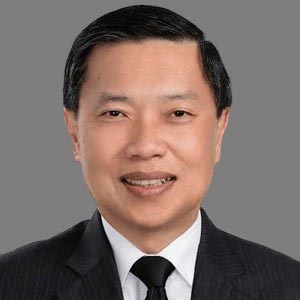
Chin Seng Teo
This comfort zone of stability, security and reliability are threatened by the intrusion of mobile devices, wireless networks, and the internet, through which intrusions, hacking and malware can come to our environment when these channels are compromised. Ironically, these responsibilities become mundane, part of housekeeping and everyday hygiene tasks that is expected of a CIO. Let us look at other factors.
Innovation:
Traditionally, innovation is often led by IT in Corporations, and often we cannot react fast enough as we need to “Keep the IT lights’ on”. But today, innovation demands that we need to be fast to adapt and implement. Innovation often uses commoditized technologies like cloud, mobile devices, and the Internet and Internet of Things. The prolifications of these technologies are challenging the Operations of the CIO as it involves more people and connection points. The worries are around security, vulnerability, and implementation of more standalone applications that integrate into our core systems. Thus these rapid changes are threatening the comfort zone of IT Operation. The CIO can either slow down these changes and be seen as unresponsive or embrace and adapt to these changes in order to remain relevant in our organization.
Therefore innovation is the disruptive force that needs both internal and external processes. We need to re-evaluate IT Operations and our solutions hardware architecture to change and adapt to these changes. But this is not limited to IT as the organization has to adapt to these changes as well. This is the process of Transformation.
Successful IOT Through Digitalization Needs The Participation of Information Technology
Transformation encompasses multiple layers of a company to change. It can be a product, a service or a different way to interact with our customers. An effective web of collaboration and a well-managed process of executing will bring success to Transformation. It includes IT solutions and infrastructure, as well as changing our business and operations’ model. Together, we need to motivate existing or create new roles within our organization. There will be cultural inertia to embrace this transformation. Change management in Transformation is a wide subject which we cannot cover here. But within IT, we can briefly address some of the transformation challenges.
Transforming IT:
Agility and fast responses to change is a BIG challenge for most IT operations. Too many quick changes create instability to our systems, too slow or little change makes IT irrelevant. It is not an application or an infrastructure issue only, but it involves solution architecture and delivery methodology as well. Such delivery approaches including agile development requirements architecture and process changes. One approach to ensure a stable and robust core system and yet allows a company to be fast to react and adapt to fast changes in the business environment is to implement a two environments system, Agile and Core. An example is to have a stable ERP system, that exposes Web services, that integrates with more agile platform like logistics or manufacturing or customer fulfillment platform. It is an approach to be “Fast on the outside and robust in the inside”.
I would like to define these as the IOT (Innovation, Operations, and Transformation) challenge of the CIO. We need to consider them together as One, even though in normal situations, we are addressing it in a silo. By considering them as a whole, we are defining Potential business outcomes, the output of IOT. Within these outcomes, we begin to define the desired business benefits. In partnership with the rest of the C-levels, the CIO works out the cost and impact to systems and processes, as well as the investments required to achieve these desired outcomes. There could be changes or additions to the IT operations’ landscape and capital investments. Therefore the approach of looking at IOT in a comprehensive way can provide a means to assess the risk and the cost of transformation.
Each of our organization is different in risk appetite and cultural inertia. Discussing and evaluating IOT in a comprehensive way encourage collaboration amongst multiple stake holders to work and implement a new innovation or business idea. Our ability to ensure that Transformation happens in speed and our ability to execute effectively could determine the future fate of your business. Successful IOT through digitalization needs the participation of Information Technology. The changes or transformation of our IT landscape and organization should happen fast. Hopefully, we will be ready when the next big idea or business proposal comes along. Digitalization is enabling Businesses to innovate quickly and in a disruptive way, making the CIO’s job challenging.
